Window Tint: What the Film Actually Does to Your Glass
What tint film is made of, how it goes on, and what separates a clean job from a bad one.
October 20, 2026 · 4 min read
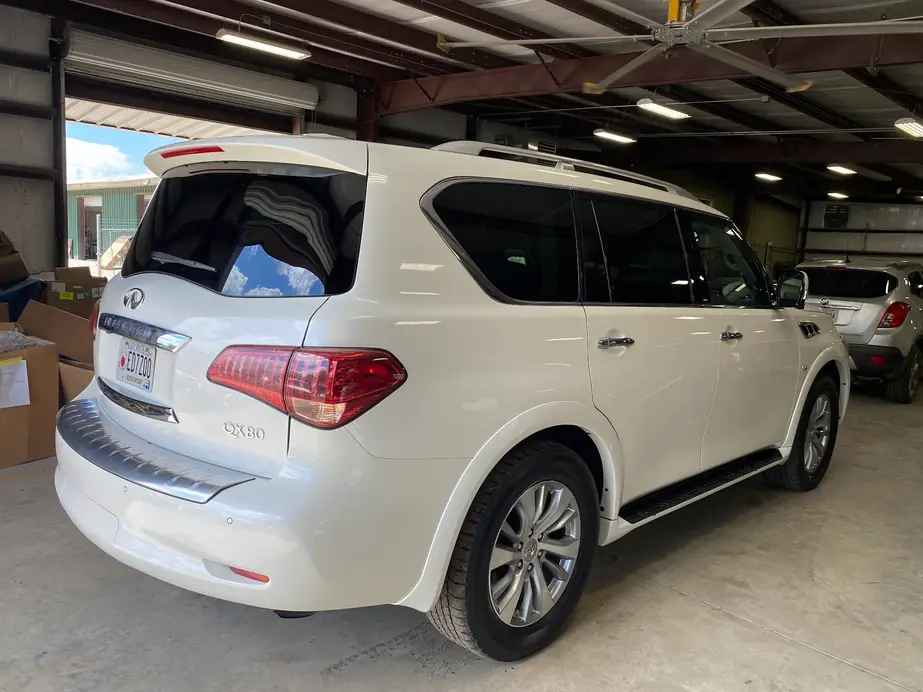
Tint is a film applied to the glass
Window tint is a thin polyester film, a few thousandths of an inch thick, applied to the inside surface of the glass. It is built in layers: a scratch-resistant coating on the face, the film itself carrying dye, metal, or other particles depending on the type, and an adhesive that bonds to the glass. None of it is baked into the window. It is a precisely cut and applied film, which is why the quality of the installation matters as much as the film you choose.
What it does for you
Tint does three jobs. It cuts visible glare, it blocks a meaningful share of the ultraviolet light that fades dashboards and seats, and it reduces the infrared heat that builds up in a parked car. How much of each depends on the film. Basic dyed films mostly cut glare and make the glass look darker. Better films can block more heat without needing to be as dark, which is why two windows that look similar can perform very differently.
In Middle Georgia, the heat part is the one most people feel. A car that sits in a parking lot in July builds up a lot of heat, and film that cuts some of the sun's energy at the glass makes the first few minutes of a drive noticeably more tolerable.
How the film is fitted to curved glass
Every piece of tint starts as a flat sheet and gets cut to the shape of a window that usually is not flat at all. Rear glass curves in more than one direction, so the film has to be heat-shrunk with a heat gun to match the curve before it ever touches the glass. Skip that step or rush it, and the finished job shows ripples or lifted edges, because a flat film cannot conform to a compound curve on its own.
Why bubbles and purple tint happen
A properly installed film lies flat with no bubbles once it has fully cured, and it keeps its color for years. Bubbling usually comes down to trapped moisture or air that was not squeegeed out, or glass that was not cleaned well before the film went on. Purpling is what happens when a lower-grade dyed film breaks down under sunlight over time: the dye fades unevenly and the film shifts toward purple or brown. Neither should happen with a decent film installed correctly.
- The film lies flat against the glass with no bubbles once cured
- Edges are clean and tucked, not lifting or peeling
- The color stays consistent over time instead of drifting purple
- Curved rear glass gets heat-shrunk film, not a flat sheet forced to fit
- New tint gets a few days to cure before you roll the windows down
Care for tinted glass
Tinted windows need slightly different care than bare glass. Ammonia-based glass cleaners can break down the adhesive and the film over time, which leads to exactly the bubbling and discoloration described above. A cleaner without ammonia, applied with a soft microfiber cloth rather than paper towels or anything abrasive, keeps tint looking right for the life of the film. It is a small habit, but it separates tint that still looks new after several years from tint that shows wear after one Georgia summer.
Why one car can carry more than one film
Not every window on a car needs the same film. A windshield, where it is tinted at all, usually gets only a light strip or a clear film, since it is the glass you look straight through at speed. Side and rear windows have more flexibility. Georgia has rules on how dark film can be on different windows, so ask the shop what is allowed for your vehicle instead of guessing, and do not assume that a darker look is better for you.
The cure takes longer than the install
The install itself might take a couple of hours depending on the vehicle, but the film is not finished bonding the moment it goes on. Full cure, where leftover moisture between the film and the glass evaporates and the adhesive sets, takes several days and depends on that week's temperature and humidity. Rolling the windows down too soon can shift a film that has not finished bonding, so good aftercare instructions matter here just as much as they do after a windshield replacement.
Tint and new glass go together
If you are replacing rear or door glass, it is worth thinking about tint at the same time, since new glass is a clean starting point. Brent's Glass lists window tinting alongside windshield, rear, and door glass work, and Paul Fitzgerald mentioned “top quality tint glass” in his Google review of a job Brent did at his house.
Call Brent at (478) 972-7741, Monday through Friday, 8 AM to 5 PM, and tell him the vehicle and which windows you have in mind. Ask about film options and how long the car needs to stay put. The shop is at 101 Lochlyn Pl, Suite D, in Bonaire.
Brent's Glass, (478) 972-7741
Call (478) 972-7741More articles
Chip or Crack: Can Your Windshield Be Repaired?
A plain-English guide to what separates a fixable chip from a windshield that has to come out.
What Actually Happens During a Mobile Windshield Replacement
A walk through a driveway windshield replacement from arrival to drive-away, and why the wait afterward matters.